

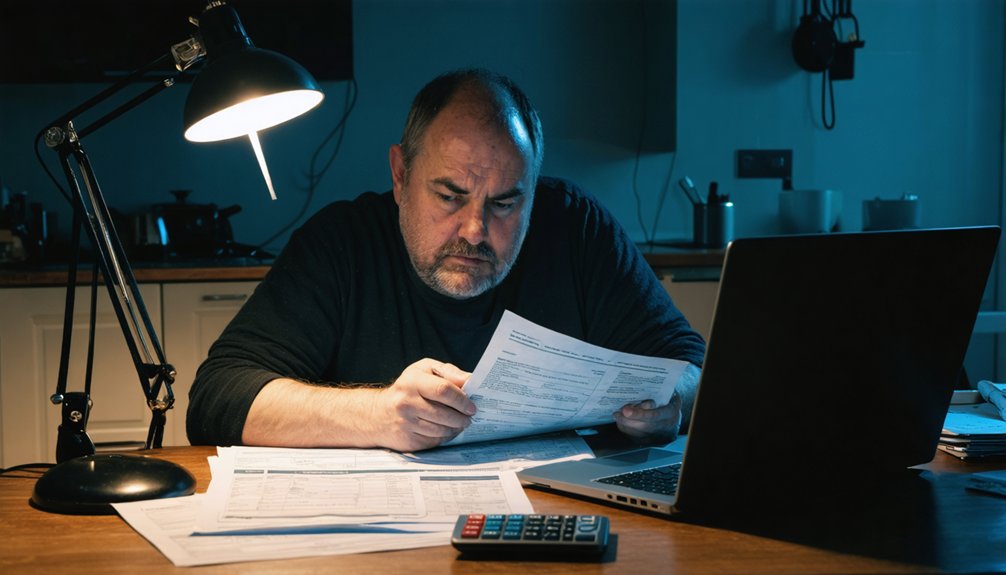
Personal loans can be a practical way to cover unexpected expenses when savings, insurance, or disaster aid fall short. Many lenders offer approval within days and funding as soon as the same or next business day. These loans are usually unsecured, with fixed rates and predictable monthly payments. They often work best for borrowers with steady income and good credit. Costs vary by APR, fees, and term length, and the sections ahead explain how to compare options wisely.
Are Personal Loans Good for Emergencies?
Although personal loans are not the lowest-cost solution in every situation, they can be a practical option for emergencies when fast access to cash is essential. Approval may arrive within days, and some qualified borrowers receive funds by the next business day, helping households respond to repairs, medical bills, hotel stays, or lost income without waiting for insurance or public assistance. This speed can matter because FEMA and SBA disaster assistance approvals may take weeks to months, leaving some households without immediate cash flow.
Their appeal also comes from flexibility and structure. Funds can cover varied urgent costs, while fixed rates and set payoff dates support emergency budgeting during stressful periods. Because most are unsecured, borrowers usually do not have to pledge a home or car. Borrowers should compare APR, not just rate, since fees and charges can make one loan more expensive than another. Personal loan offers can vary widely, with APR range often stretching from 6.25% to 35.99%.
Still, careful risk assessment matters. Fees and interest can be high, especially for weaker credit, and new monthly payments may strain already limited budgets.
When a Personal Loan Makes Sense
A personal loan makes the most sense when it solves a specific financial problem at a lower overall cost and with more manageable repayment terms than the alternatives.
It is often a practical choice for Debt consolidation, especially when several high-interest balances can be combined into one fixed monthly payment at a lower rate. Comparing interest rates, fees, and repayment schedules helps confirm the loan is a lower-cost option.
It also fits borrowers with steady income, reliable employment, and strong credit, since those factors support approval and better pricing. Approval and loan terms often depend on factors like income, credit history, and debt-to-income ratio.
Fixed payments can help members of a household stay organized, reduce financial strain, and avoid revolving debt. Most personal loans are unsecured, meaning no collateral is required for approval.
The Credit score impact may be positive when lower utilization and consistent on-time payments strengthen payment history.
Personal loans also make sense when they offer a safer, less expensive option than credit cards or payday lenders, with predictable repayment over time.
Unexpected Expenses a Personal Loan Can Cover
When an urgent bill appears without warning, a personal loan can provide fast access to funds for expenses that cannot be postponed. Common examples include emergency room visits, uncovered medical procedures, veterinary care, and several medical bills arriving at once, allowing households to focus on recovery instead of immediate cost. For qualified borrowers, personal loans may offer lower APRs than many credit cards, which can make urgent costs more manageable. Fixed-rate personal loans also provide predictable payments, with the monthly amount and payoff date known upfront.
Personal loans may also cover essential car repairs, such as transmission work, when a vehicle is needed for employment and daily responsibilities. They can help address urgent home problems, including burst pipes, broken furnaces, failing roofs, or hot water heater replacement, where permit fees and materials add up quickly. Online lenders may provide fast funding within a few days, which can be especially helpful when repairs cannot wait. Last‑minute travel for a sick family member or another urgent event is another use. A careful loan fund assessment and sound cash flow planning can help borrowers stay financially steady together.
How Personal Loans Work for Emergencies
Securely structured for speed and predictability, a personal loan for an emergency typically provides a lump sum after approval and is repaid through fixed monthly installments over a set term, often one to seven years.
Most are unsecured, so collateral is usually unnecessary, and fixed rates support steady emergency budgeting during stressful periods.
Many lenders allow prequalification with a soft credit check, followed by a simple online application requiring identification and income verification. A formal application may then require a hard credit inquiry that can cause a small, temporary impact on your credit score, usually around 5 points.
Decisions can arrive quickly, with funding sometimes available the same day or within several business days.
Interest is commonly calculated using simple interest on the remaining balance, and APR should be reviewed carefully because it includes fees.
Compared with payday loans or variable-rate credit cards, personal loans can offer more stability and can help cover deductibles, aid gaps, or loan insurance shortfalls. Unlike payday loans, which often exceed 400% APR, personal loans generally come with lower fixed rates and more manageable repayment terms. Before borrowing, review repayment terms carefully to confirm the monthly payment fits your budget and avoids long-term strain.
How Much Personal Loan Should You Borrow?
Determine the loan amount by matching the request to the actual expense and the borrower’s ability to repay it comfortably each month. A careful budget assessment helps identify a payment that fits household obligations without strain. Borrowing only what is needed can support financial stability and help borrowers feel more secure in their decisions. Larger loans can lead to higher total interest over the full repayment period. Longer repayment terms can reduce monthly payments but may increase total interest paid.
Most lenders offer personal loans from about $1,000 to $50,000, while some banks, online lenders, and credit unions extend maximums of $100,000. Highly qualified applicants may access larger amounts through specialized lenders. Approval depends on credit score, income, debt-to-income ratio, current debt, and employment stability. Prequalification can clarify likely borrowing limits. Lenders often view a DTI under 36% as favorable when evaluating repayment ability. Secured loans may allow higher amounts, but the right choice remains the one aligned with actual need and clear repayment capacity.
Personal Loan Rates, Fees, and Total Cost
Why do two loans with the same amount end up costing very different totals? The answer usually lies in APR, which captures yearly interest plus many charges.
As of April 8, 2026, the average personal loan rate is 12.04% for a 700 FICO borrower seeking $5,000 over three years, while featured lenders range from 6.20% to nearly 36%.
Fixed-rate loans keep the same payment and rate throughout repayment, making budgeting easier.
Still, borrowers should review each fee breakdown carefully. Origination fees often range from 0% to 8% and reduce cash received upfront, yet interest is charged on the full amount borrowed. Other charges, including application, processing, and late fees, can raise fee cost.
Comparing APR instead of interest rate alone helps communities of borrowers choose more confidently.
What Credit Score Gets Better Personal Loan Rates?
Although approval standards vary by lender, better personal loan rates generally begin with good credit: about 670 or higher on FICO Score 8 or 9, or roughly 661 or higher on VantageScore 3.0 or 4.0. These Credit score thresholds often place borrowers within stronger Rate tier benchmarks and open access to more competitive offers.
Score bands help frame expectations. Good credit, 670 to 739, carries average APRs near 22.72%, while very good, 740 to 799, averages about 14.74%. Exceptional credit, 800 and above, averages 11.77% and may release the lowest advertised rates, sometimes near 6.20% to 6.74%. Some lenders set practical benchmarks higher; for example, a 680 score may access ranges like 9.99% to 17.49%. Higher scores also support larger loan amounts and friendlier repayment terms overall.
How Lenders Approve a Personal Loan
Once rate expectations are shaped by credit score, the next question is how lenders decide whether to approve the loan at all. They begin with a formal application, income and employment details, tax returns, financial statements, and permission to review credit history. Bank information is also collected for funding if approval approval is granted.
From there, underwriting tests the application against core standards. Lenders examine credit scores, repayment behavior, debt-to-income ratio, cash reserves, and stability of income. Many expect fair credit or better. They also apply the Five C’s of Credit—character, capital, capacity, collateral, and conditions—to judge overall risk. Secured loans may require collateral records or appraisals, while debt consolidation may require account balances. Final loan approval can arrive quickly or after several business days.
Where to Get a Personal Loan Fast
Several lenders specialize in fast personal loans, with online platforms and certain banks offering approval decisions in minutes and funding as soon as the same day or next business day. SoFi, LendingClub, Citi, Avant, Explore, Wells Fargo, and OneMain Financial are notable options for borrowers seeking quick approval and fast funding.
Online lenders often streamline applications through simple digital steps. SoFi can fund the same day, LendingClub in 24 hours, and Explore by the next business day. Citi may deliver same-day deposits to Citi accounts, while OneMain Financial can provide funds as soon as one hour after signing. Borrowers may also compare loan amounts, rates, and accessibility.
Wells Fargo offers low fixed APRs and multiple application channels, while Oportun may serve applicants without traditional credit history, helping more people feel included.
Personal Loan vs. Credit Card for Emergencies
Choosing between a personal loan and a credit card for an emergency depends mainly on the size of the expense, the repayment timeline, and the total borrowing cost. Credit cards usually fit smaller urgent bills, while personal loans better serve large one-time costs such as major home repairs. A card offers immediate access, but spending reduces available credit and can pressure Credit utilization limits.
For Emergency budgeting, repayment structure matters. Personal loans provide a fixed amount, fixed monthly payments, and a defined payoff term, which can create more certainty for households managing a larger expense. Credit cards offer flexibility and no interest if paid within the grace period, yet balances carried over time often cost more because rates are commonly higher. For quick repayment, cards may work well; for longer repayment, loans often prove more economical.
Personal Loan Alternatives for Unexpected Expenses
When unexpected costs arise, a personal loan is not the only workable solution. An Emergency fund is often the strongest first line of defense, offering immediate cash without interest or repayment. Consistent savings build resilience, especially when many households cannot cover modest emergencies from income alone.
Other alternatives may also help communities stay financially steady. Borrowing from family or friends can provide flexible, interest-free support when terms are clearly written. Filing an Insurance claim may reduce medical, auto, or home expenses before outside borrowing becomes necessary. Credit unions may offer small-dollar payday alternative loans with lower rates and longer repayment periods. Peer-to-peer lending platforms can also serve borrowers with fair or limited credit, sometimes with competitive pricing and online convenience, while supporting credit-building through on-time repayment.
Red Flags to Avoid With Emergency Personal Loans
Because urgent expenses can force quick decisions, emergency personal loan offers should be reviewed carefully for warning signs that increase cost or signal fraud. Important Scam warnings include no‑credit‑check promises, guaranteed approval, and requests for upfront payment through gift cards, Venmo, or cryptocurrency. Legitimate lenders review credit and disclose charges clearly.
Borrowers should also watch for hidden fees, vague contracts, pressure to sign immediately, and misleading rates that appear low weekly but become extremely expensive annually. Reputable lenders allow time to compare options and understand total repayment before signing. Requests to falsify income, omit debts, or leave blanks on an application are serious red flags. Unreasonable collateral demands, especially vehicle title requirements, can place essential assets at risk. Careful review helps borrowers protect finances and avoid isolation through informed decisions.
References
- https://www.pnc.com/insights/personal-finance/spend/how-to-cover-unexpected-expenses.html
- https://www.marinerfinance.com/blog/how-to-pay-for-unexpected-expenses/
- https://www.discover.com/personal-loans/resources/major-expenses/planning-unexpected-expenses/
- https://www.thefederalsavingsbank.com/Blog/how-a-personal-loan-can-help-you-with-unexpected-expenses/
- https://bell-finance.com/blog/when-sudden-and-unexpected-expenses-arise/
- https://www.1ffc.com/two-smart-financial-moves-for-unexpected-expenses/
- https://www.greatmeadowfcu.org/how-to-prepare-for-the-unexpected-expense/
- https://www.jgwentworth.com/resources/mp-is-a-personal-loan-right-for-emergency
- https://www.discover.com/personal-loans/resources/major-expenses/unexpected-expenses/
- https://www.academybank.com/article/after-a-disaster-can-a-personal-loan-help-with-recovery